
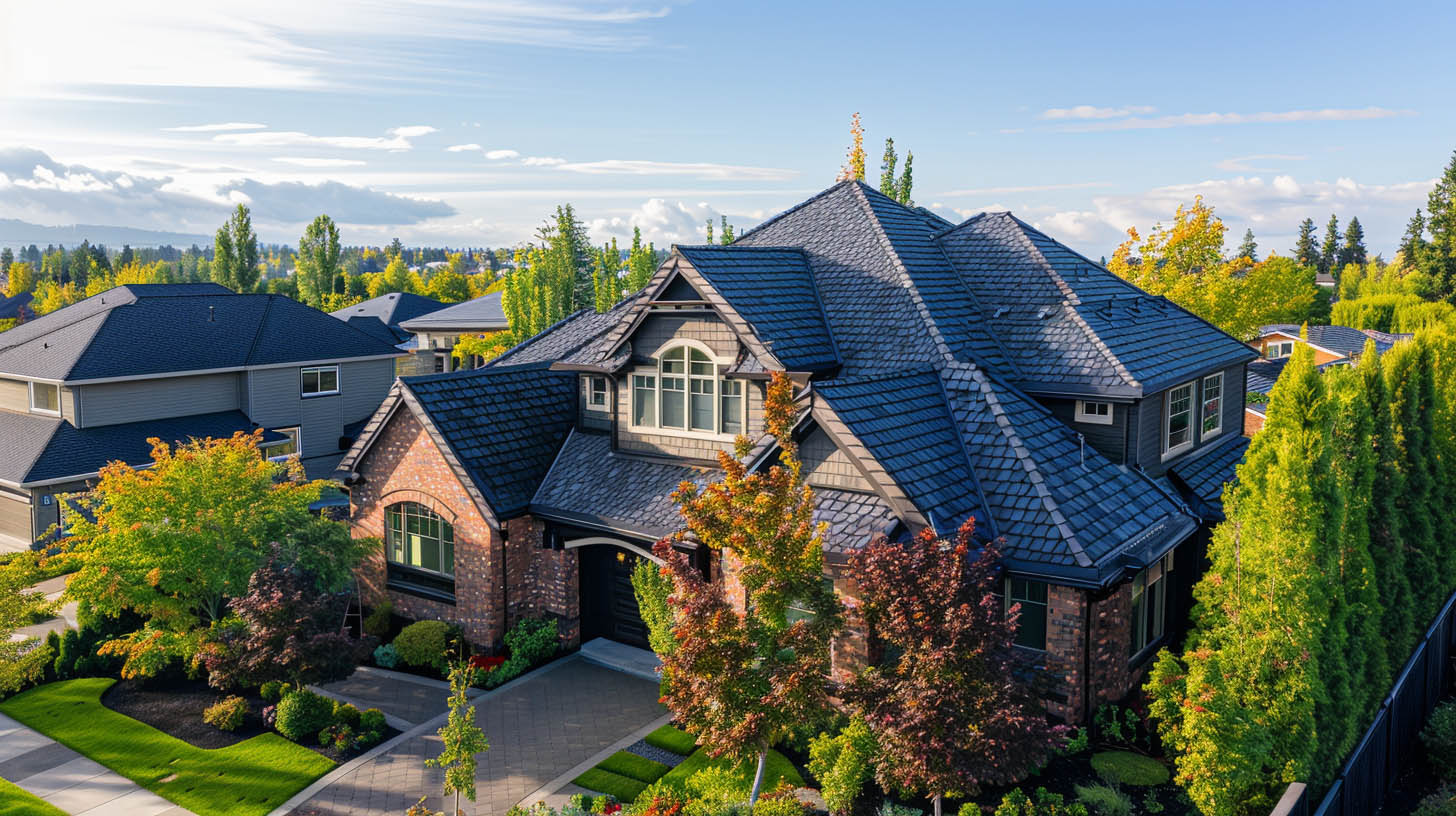
The roof, a cornerstone of home protection and structural integrity, requires meticulous attention to ensure it remains in optimal condition. Recognizing the signs that indicate the need for a roof replacement is crucial for maintaining the safety, efficiency, and aesthetic appeal of your home. This detailed guide explores the critical indicators that signal the necessity for a roof replacement, empowering homeowners with the knowledge to make informed decisions regarding their property’s roofing needs.
Age of the Roof: The Time Factor
Lifespan Expectancy
The material composition of a roof largely determines its expected lifespan. For instance, asphalt shingle roofs, prevalent in many homes, typically offer a service life of 20 to 30 years. Metal roofs, on the other hand, can last up to 50 years or more, depending on maintenance and environmental conditions. Recognizing the age of your roof is the first step in assessing its condition and determining the potential need for replacement.
Material Degradation
Over time, roofing materials undergo natural wear and tear, exacerbated by environmental factors such as UV exposure, temperature fluctuations, and severe weather events. This degradation can lead to diminished protective capabilities, making the roof less effective in safeguarding your home against the elements.
Visual Inspection: Identifying Physical Deterioration
Missing or Damaged Shingles
One of the most apparent signs that a roof may require replacement is the presence of missing, cracked, or curled shingles. These defects compromise the roof’s ability to repel water, leading to potential leaks and water damage.
Sagging Rooflines
A sagging roofline is a clear indicator of structural issues, possibly due to prolonged water accumulation or underlying support system failure. This condition poses a significant risk, as it could lead to a partial or complete roof collapse if not addressed promptly.
Interior Signs: Evidence of Compromise
Water Damage and Leaks
Stains on ceilings and walls, peeling paint, or the presence of mold and mildew inside your home can indicate roof leaks. Persistent moisture intrusion not only damages the interior of your home but can also lead to health hazards for its occupants.
Inadequate Insulation and Ventilation
Poor attic insulation and ventilation can cause heat to build up, leading to ice dams in winter and excessive cooling costs in summer. A well-designed and properly installed roof replacement can rectify these issues, enhancing your home’s energy efficiency.
Performance Issues: Impact on Home Comfort and Efficiency
Rising Energy Costs
An unexpected increase in heating and cooling bills can be a symptom of a failing roof. Compromised roofs allow heat to escape during winter and infiltrate during summer, forcing your HVAC system to work harder and driving up energy consumption.
Environmental Impact
Older roofs, especially those not made from eco-friendly materials, contribute to higher carbon footprints. Opting for a roof replacement with sustainable materials can reduce your home’s environmental impact while improving energy efficiency.
Selecting a Roofing Contractor: Ensuring Quality and Reliability
Roof Xpress: Greensboro NC’s Premier Roofing Specialist
For homeowners in Greensboro NC, Roof Xpress represents the pinnacle of roofing excellence. Our expertise in roof replacement ensures that every project meets the highest standards of quality, durability, and aesthetic appeal. Choosing Roof Xpress means entrusting your home to skilled professionals committed to delivering outstanding results and unparalleled customer satisfaction.
Conclusion
Recognizing the signs that indicate the need for a roof replacement is essential for maintaining the structural integrity, safety, and comfort of your home. By understanding these indicators and acting proactively, homeowners can avoid costly repairs and ensure their property remains protected against the elements. Partnering with a reputable roofing contractor like Roof Xpress in Greensboro NC guarantees a seamless, efficient roof replacement process, securing your investment and enhancing your home’s value and performance for years to come.