
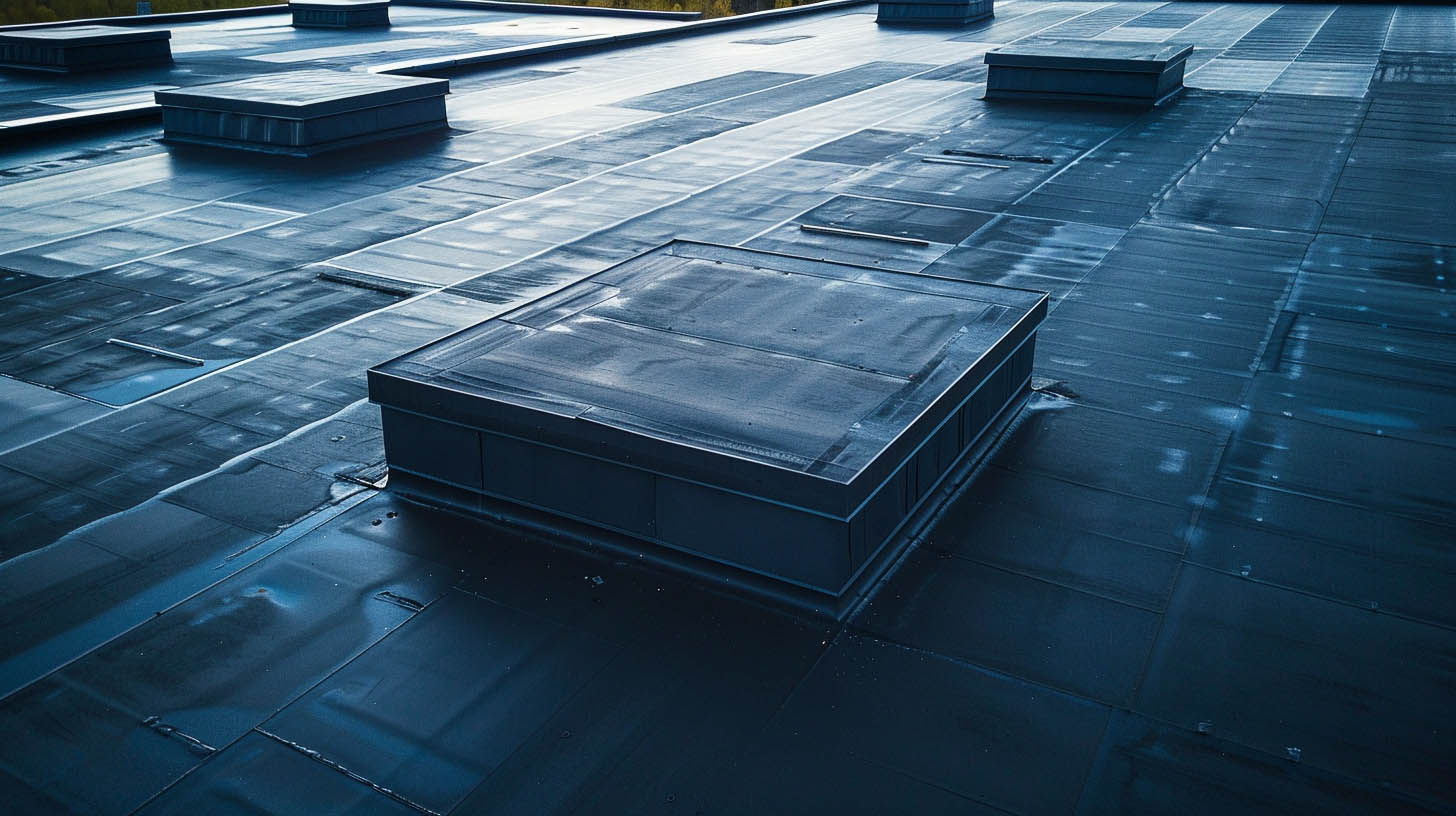
Commercial flat roofs, while offering numerous advantages such as cost efficiency, space utilization, and architectural flexibility, are not without their challenges. Understanding these challenges and implementing strategic solutions is crucial for maintaining the integrity and longevity of a flat roofing system. This guide delves into the common problems associated with commercial flat roofs and outlines effective strategies for addressing them.
Understanding Flat Roof Dynamics
Despite common assumptions, flat roofs are not completely level. They feature a gentle incline, usually at least 1 in 40, to aid in water runoff. Nevertheless, despite this architectural feature, flat roofs are susceptible to various problems, chiefly stemming from water pooling, material degradation, and installation imperfections.
Common Flat Roof Challenges
Water Ponding
One of the most prevalent issues with flat roofs is water ponding, where water accumulates on the roof surface for extended periods. This can lead to increased pressure on the roofing structure, leakage, and accelerated material degradation. Ensuring proper drainage through regular maintenance of gutters and downspouts is vital to mitigate this issue.
Membrane Damage
The waterproofing membrane on a flat roof is its primary defense against water ingress. Over time, this membrane can suffer from cracks, blisters, and tears, often due to thermal expansion, foot traffic, or mechanical damage. Regular inspections can help identify early signs of membrane damage for timely repair.
Blocked Drains
Flat roofs rely on drainage systems to remove water efficiently. Leaves, debris, and other materials can block these drains, leading to water accumulation. Installing leaf guards and conducting routine cleaning are effective measures to keep drains clear and functional.
Thermal Movement
Thermal expansion and contraction can cause significant stress on roofing materials, leading to splits and cracks. Adequate insulation and the use of materials with compatible thermal movement properties can reduce the risk of damage from temperature fluctuations.
Proactive Maintenance Strategies
Implementing a proactive maintenance program is essential for addressing the unique challenges of flat roofs. This program should include:
Bi-annual Inspections: Conduct thorough inspections in the spring and fall to assess the roof’s condition and identify potential issues.
Prompt Repairs: Address identified problems promptly to prevent them from escalating into more significant concerns.
Debris Removal: Keep the roof surface and drainage systems free of debris to ensure effective water removal.
Documentation: Maintain detailed records of all inspections, repairs, and maintenance activities to track the roof’s condition over time.
The Role of Professional Roofing Services
While in-house maintenance teams can perform basic upkeep, complex repairs and inspections are best left to professional roofing contractors. These experts have the skills, tools, and knowledge to effectively diagnose and resolve flat roof issues. For properties in Greensboro, NC, Roof Xpress offers specialized flat roofing services, ensuring your commercial roof remains in optimal condition.
Conclusion
Commercial flat roofs, despite their inherent challenges, can provide reliable performance and durability when properly maintained. Understanding the common problems and implementing a strategic maintenance plan are key to maximizing the lifespan of a flat roofing system. Partnering with experienced roofing professionals like Roof Xpress ensures that your commercial property is well-protected against the elements, safeguarding your investment for years to come.