
The durability of a roofing system is a critical aspect of home maintenance that significantly impacts both the protection and the overall value of your property. Recognizing the lifespan of various roofing materials and identifying the signs that indicate the need for a roof replacement are essential for homeowners. This comprehensive guide explores the expected lifespans of popular roofing materials and provides insights into the key indicators that suggest a roof may require replacement.
Lifespan of Common Roofing Materials
Asphalt Shingles: The Standard Choice
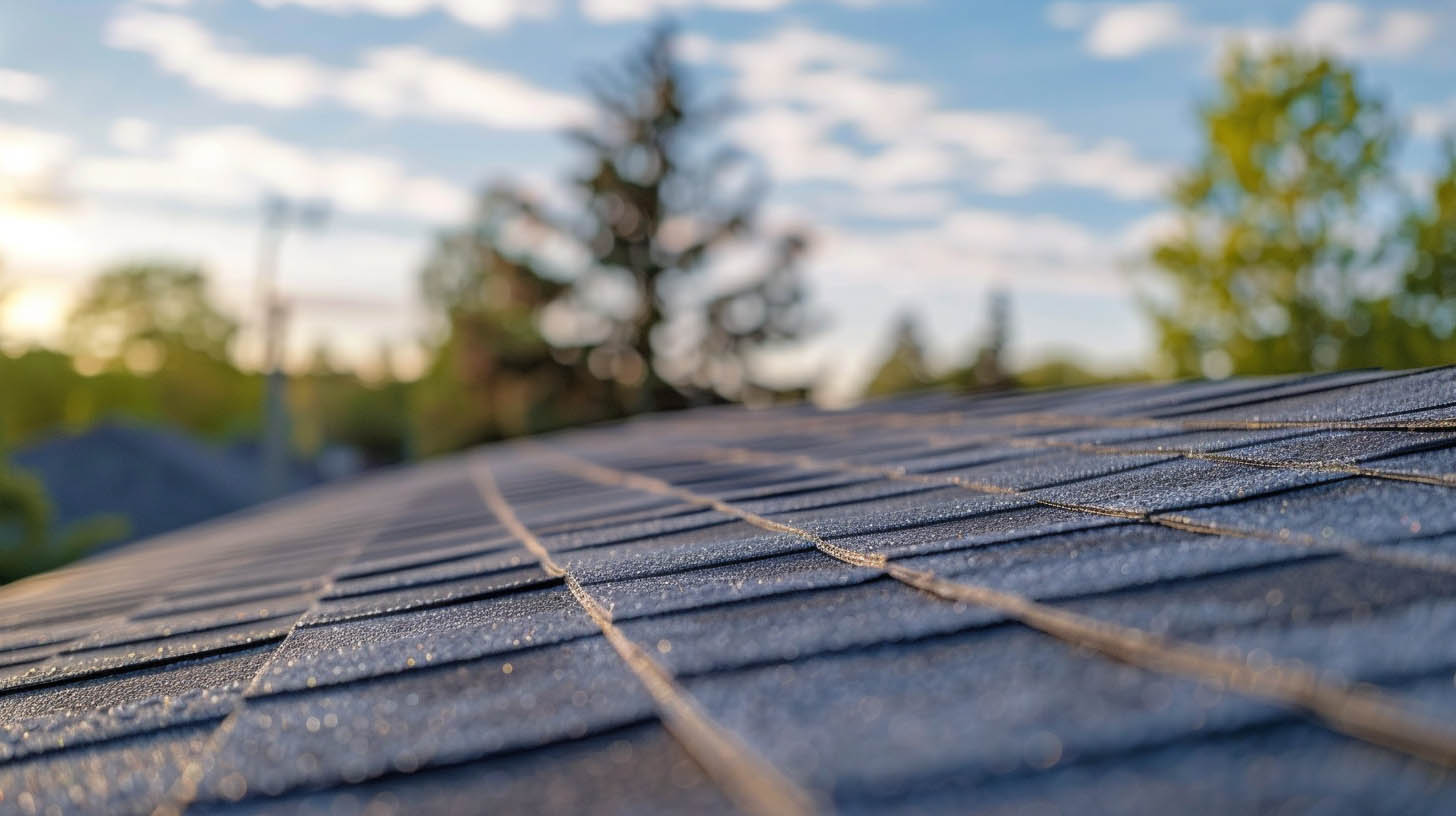
Asphalt shingles, the most prevalent roofing material in residential construction, offer a balance between cost, durability, and aesthetic versatility. Typically, asphalt shingle roofs last between 15 to 30 years, depending on the quality of materials and installation, environmental conditions, and maintenance practices.
Metal Roofing: Durability Meets Modernity
Metal roofs have surged in popularity due to their longevity, resistance to extreme weather, and energy efficiency. With a lifespan ranging from 40 to 70 years, metal roofing is an excellent investment for homeowners seeking a long-term solution. Premium metals like copper and zinc can even surpass the 100-year mark.
Clay and Concrete Tiles: Timeless and Resilient
Clay and concrete tile roofs are favored for their distinctive style and robust performance, particularly in hot climates. These materials can last between 50 to 100 years, offering excellent durability alongside their unique visual appeal.
Wooden Shingles and Shakes: Natural Beauty with Maintenance
Wooden roofing materials, such as shingles and shakes, provide a natural aesthetic that blends well with various architectural styles. With proper maintenance, wooden roofs can last up to 30 years, although they require regular treatment to resist moisture, decay, and insect damage.
Indicators of Roof Replacement Necessity
Visible Damage to Shingles or Tiles
Cracked, curling, or missing shingles are clear signs that your roof may be nearing the end of its useful life. Similarly, damaged or displaced tiles indicate that a roof inspection and possible replacement are warranted.
Frequent Leaks and Water Damage
Persistent leaks, even after repairs, suggest underlying issues with your roof’s integrity. Water stains on ceilings and walls, or the presence of mold and mildew, are indicators that your roof may require replacement.
Sagging Roof Deck
A sagging roof deck points to structural issues that could compromise your home’s safety. This condition often results from prolonged exposure to moisture and may necessitate a complete roof replacement.
Granule Loss
For asphalt shingles, the loss of granules into gutters or at the base of downspouts indicates significant wear. This granule loss can compromise the roof’s ability to protect your home from the elements.
Age of the Roof
If your roof is approaching or has surpassed its expected lifespan based on the material, it’s prudent to consider a replacement. Aging roofs are more susceptible to damage and less effective at protecting your home.
Conclusion
Understanding the lifespan of your roofing material and recognizing the signs that indicate the need for replacement are crucial for maintaining the safety, efficiency, and aesthetic appeal of your home. Proactive maintenance and timely replacements can prevent costly damages and ensure that your home remains well-protected against the elements. For homeowners seeking expert roofing solutions, Roof Xpress in Greensboro NC offers professional advice and services tailored to your specific needs, ensuring your roof remains in optimal condition for years to come.