
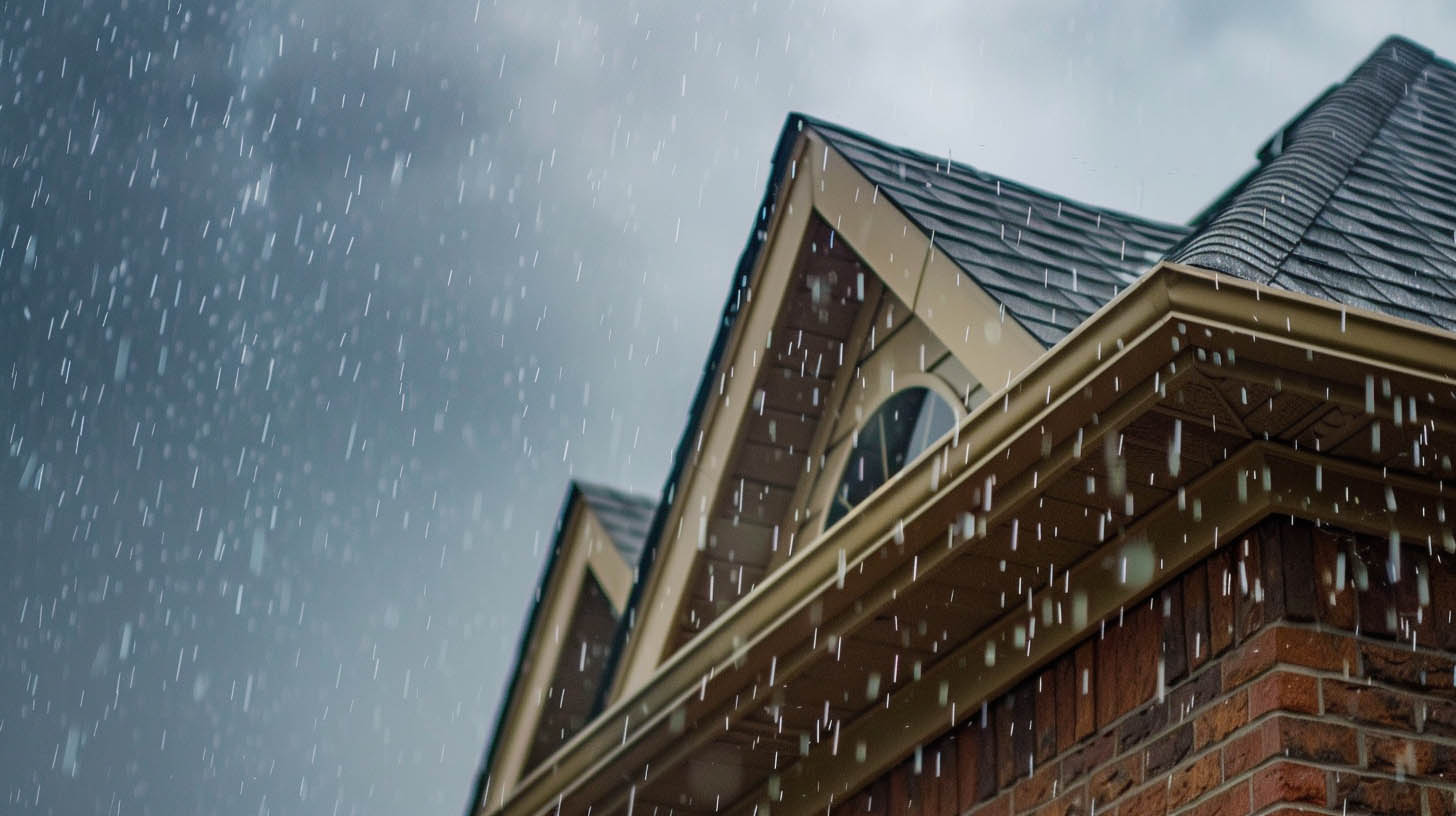
Hailstorms can wreak havoc on your property, especially the roof, which serves as the first line of defense against weather elements. This comprehensive guide delves into the intricacies of hail impact on roofing systems, offering homeowners essential insights for safeguarding their homes.
The Science Behind Hail Formation
Hailstones form within thunderstorm clouds when updrafts lift water droplets high enough to freeze. These ice particles can grow by colliding with additional water droplets, becoming heavy enough to fall to the ground. The size of hail can vary dramatically, from pea-sized to as large as a grapefruit, posing varying degrees of threat to roofing materials.
Identifying Hail Damage on Roofs
Hail damage to roofs can range from superficial to severe, affecting not only the lifespan of the roof but also the home’s overall protection. Common signs include:
Dents and Bruises on Shingles: Look for small indentations or bruises, especially on asphalt shingles, which can compromise the granule layer.
Cracked or Broken Tiles: Clay or concrete tiles can crack or break upon impact, leading to potential leaks.
Damage to Metal Components: Metal roofs, vents, and gutters can exhibit dents, which, while not always compromising function, can lead to rust and deterioration over time.
The Impact of Hail Size on Roofing Materials
The extent of hail damage is largely influenced by the size of the hailstones:
Small to Medium Hail (up to 1 inch): May cause minor cosmetic damage, primarily to the asphalt shingle granules.
Large Hail (1 to 2 inches): Can crack shingles and tiles, leading to leaks and structural damage.
Very Large Hail (over 2 inches): Often results in significant roofing damage, necessitating immediate repairs or replacement.
Proactive Measures for Roof Protection
To mitigate hail damage, consider the following strategies:
Regular Roof Inspections: Engage a professional roofing company to conduct annual inspections, identifying and addressing vulnerabilities.
Impact-Resistant Roofing Materials: When replacing a roof, opt for materials rated for impact resistance. These products are designed to withstand hailstones, offering enhanced protection.
Proper Ventilation and Insulation: Ensure your attic is well-ventilated and insulated. This can prevent hail from causing condensation issues that weaken the roof structure over time.
Navigating Insurance Claims for Hail Damage
Understanding your insurance policy is crucial when dealing with hail damage. Most policies cover hail damage, but it’s important to:
Document the Damage: Take clear photos of any hail damage for your claim.
Report Promptly: Notify your insurance company as soon as possible to initiate the claims process.
Work with Reputable Contractors: Choose a trusted roofing contractor with experience in hail damage repairs. Roof Xpress, located in Greensboro NC, is renowned for its expertise in assessing and repairing hail-damaged roofs, ensuring a seamless insurance claims process.
Conclusion
Hailstorms pose a significant threat to roofing systems, but with the right knowledge and preparation, homeowners can effectively minimize damage. Regular maintenance, choosing impact-resistant materials, and understanding insurance coverage are key to protecting your home against the unpredictability of hail. By taking proactive steps and working with reputable professionals, you can ensure your roof remainsstrong and resilient against hail and other weather challenges.